
The hardest part of social media isn't the technology – it's coming up with what to say, week after week. The solution is to never start from a blank page. Plan first in themes and seasons, then in concrete posts – and keep it all in a simple calendar you can open every week.
Think in three kinds of content
A content plan doesn't need to be fancy – three kinds of content are enough:
- Time-oriented – season, harvest, new products, whatever is current right now.
- Theme-oriented – the craft, your process, the people, your place, collaborations.
- Event-oriented – markets, holidays, red-letter days, local events.
At a food producer's, something is always happening – often more than you think. The animals, the weather, the harvest, the baking, the customers. Plan ahead and you'll see it in time.
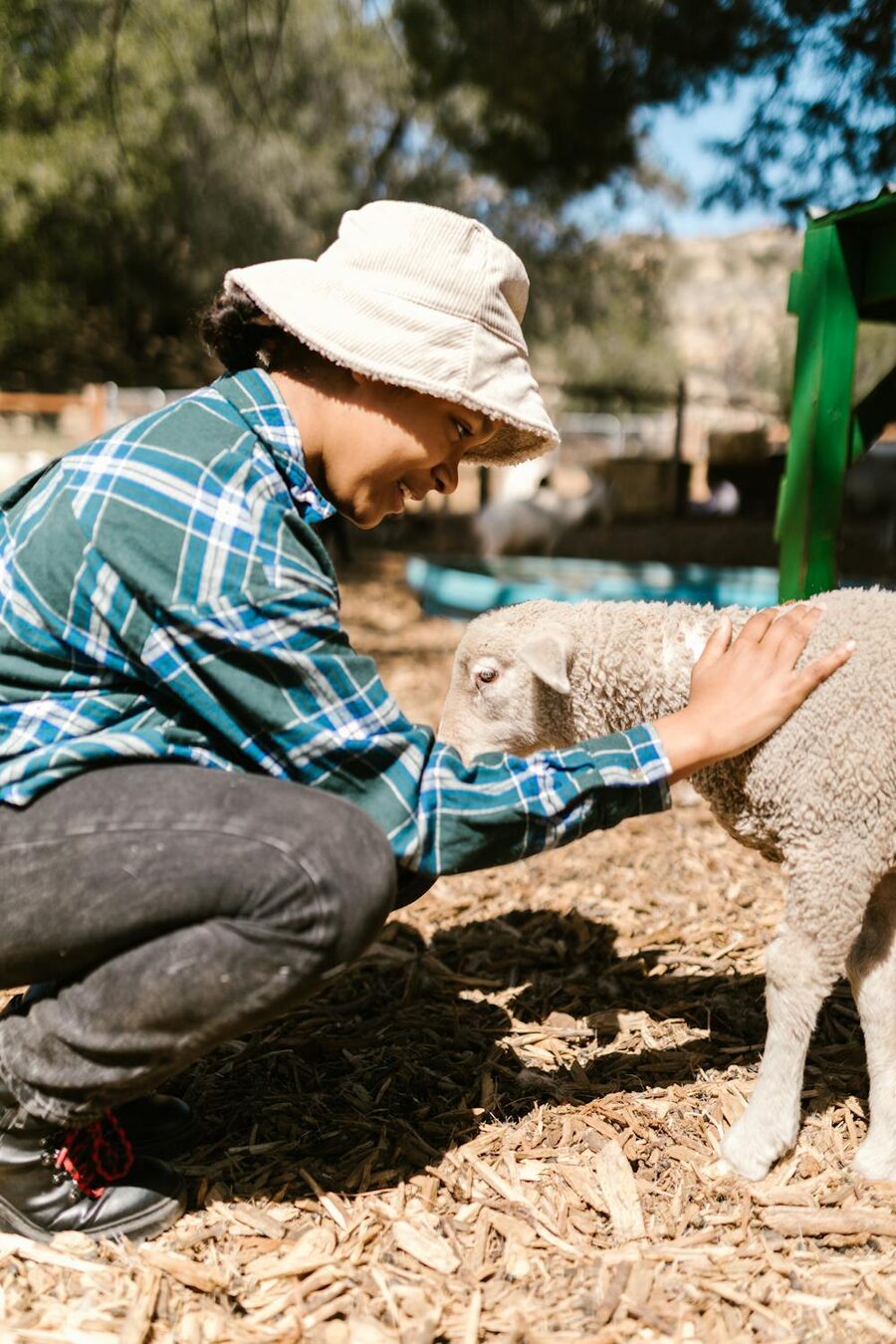
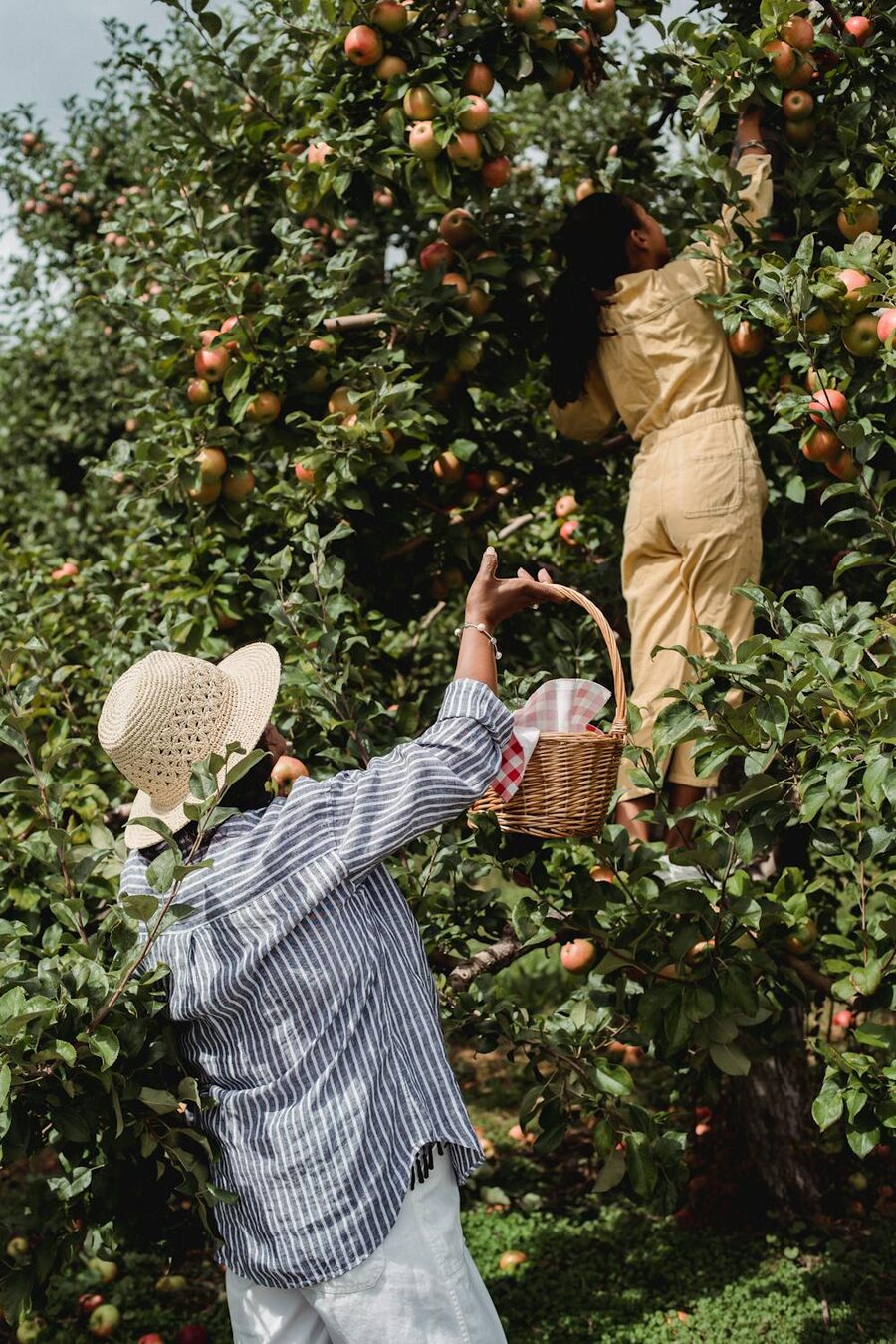
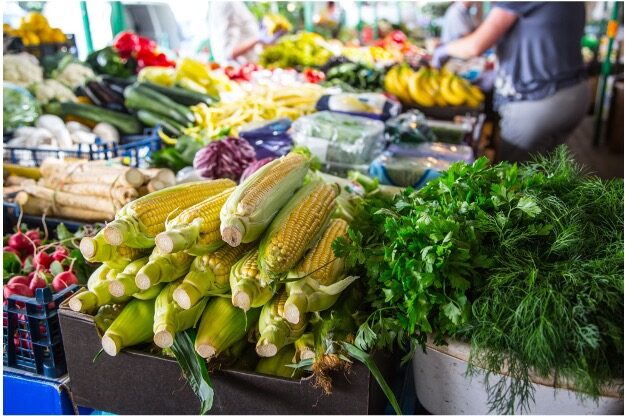
A producer's year is full of content: the preparations in spring, the harvest, the market days. The year wheel catches it – month by month.
The workbook: four simple tabs
The standard route is a simple Excel workbook (the template is below). Four tabs, no fuss:
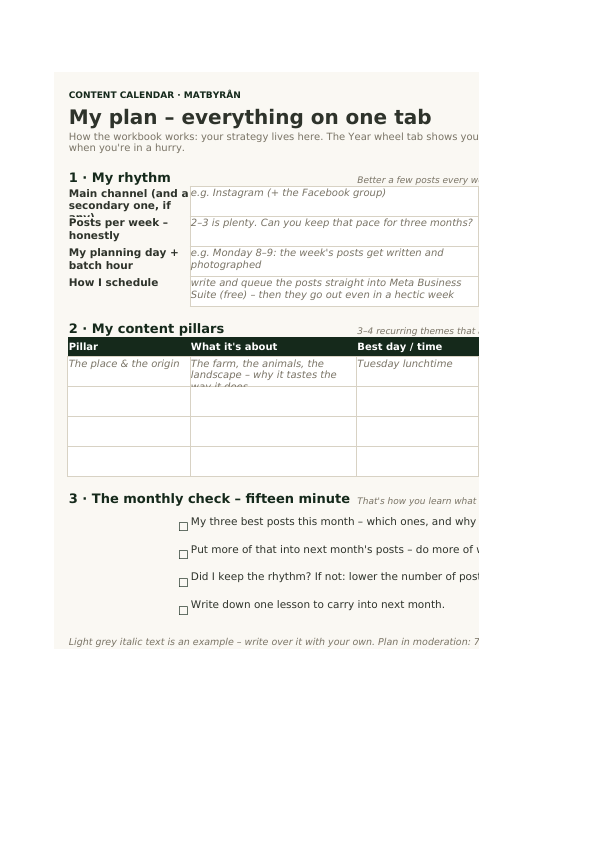
- My plan – the whole strategy on one tab: your rhythm (how many posts a week you can honestly manage – 2–3 is plenty), a fixed planning day with a batch hour, your 3–4 content pillars, and the monthly check (more below).
- Year wheel – your year as twelve month cards in seasonal colours, not a list. Write what happens each month – harvest, markets, holidays, tourist season – and you always see where in the year you are and what's coming up.
- Upcoming posts – just the next four weeks, three rows per week: day, idea, pillar, format (short video, post or story – see the sub-page Produce and publish) and a caption starter. Fill it in on your planning day, pulling ideas from the year wheel.
- Idea bank – photos to take in advance and ready first sentences, for the weeks when time is short.
Two habits that make it stick
It isn't the ideas that trip people up – it's the tempo. Two habits make the difference:
- Schedule in advance. Write the week's posts on your planning day and queue them in a free tool like Meta Business Suite. Then they publish even in the week everything else is on fire. Steady beats intense: 2–3 posts every week beats ten posts and then silence.
- The monthly check – fifteen minutes a month. Look at your three best posts (comments, shares, saves): why did they work? Do more of that next month. And if you didn't keep the tempo – lower it, don't stop.
Plan just enough
A calendar is a support, not a prison. Plan 70% – and leave 30% for what happens: the first asparagus, an unexpected visit, the snow that fell overnight. The spontaneous posts are often the ones that get the most engagement.
When you're done: a plan, a year and four weeks of posts
What you should have in hand: a rhythm you can keep and your 3–4 pillars on the My plan tab, your year filled into the year wheel, and the next four weeks of posts sketched – day, idea, pillar, caption starter.
Do this next
Fill in My plan and the year wheel, sketch four weeks – and queue the first week's posts. Next step: Produce and publish – how to make the posts without them taking all week.