
Your brand is not your logo. It's the sum of every impression – everything you do, say and deliver. Your reputation. The feeling people get when they think of you. The question isn't whether you have a brand – you already do. The question is whether it's deliberate and consistent.
This section is written for you who produce or sell food on a small scale. You need no brand department and no big budget – but you do need the basics, because the brand is the foundation all your marketing and sales rest on.
Why is it worth your time?
- People buy feeling, not facts. Customer choices are rarely driven by actual quality – but by perceived quality. Two equally good cheeses: the one with a clear sender and a story can charge more, and gets chosen more often.
- **You can't win on price or volume – but you can be someone.** A place, a story, a pair of hands behind the food. That's something no supermarket can copy.
- Everything else gets easier. With a clear brand you know what to write on the label, how you sound on social media and which photos are "you". Without it, every decision starts from zero.
- It shows on the bottom line. A clear brand carries a higher price – and price is the single strongest lever in your profitability (more on that in the Sales section).
It can be done – and it's already being done on the island
You don't need to look far to see what a clear brand does for a small producer.
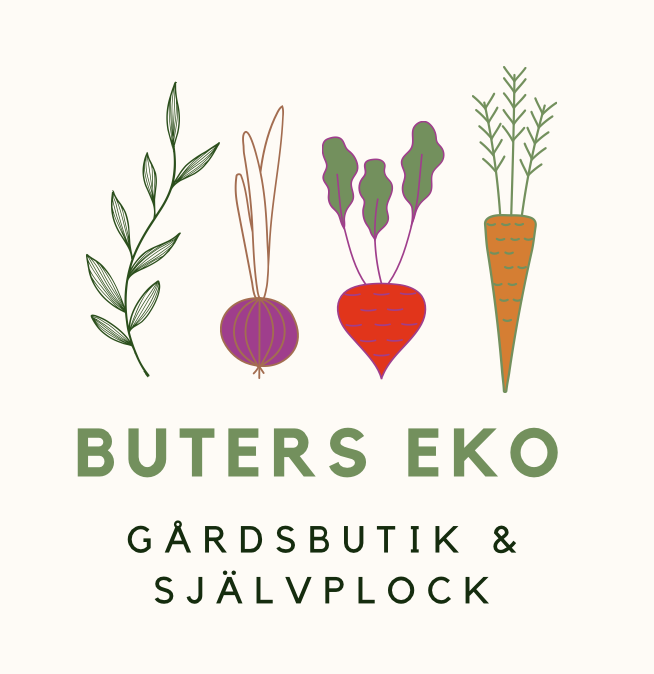
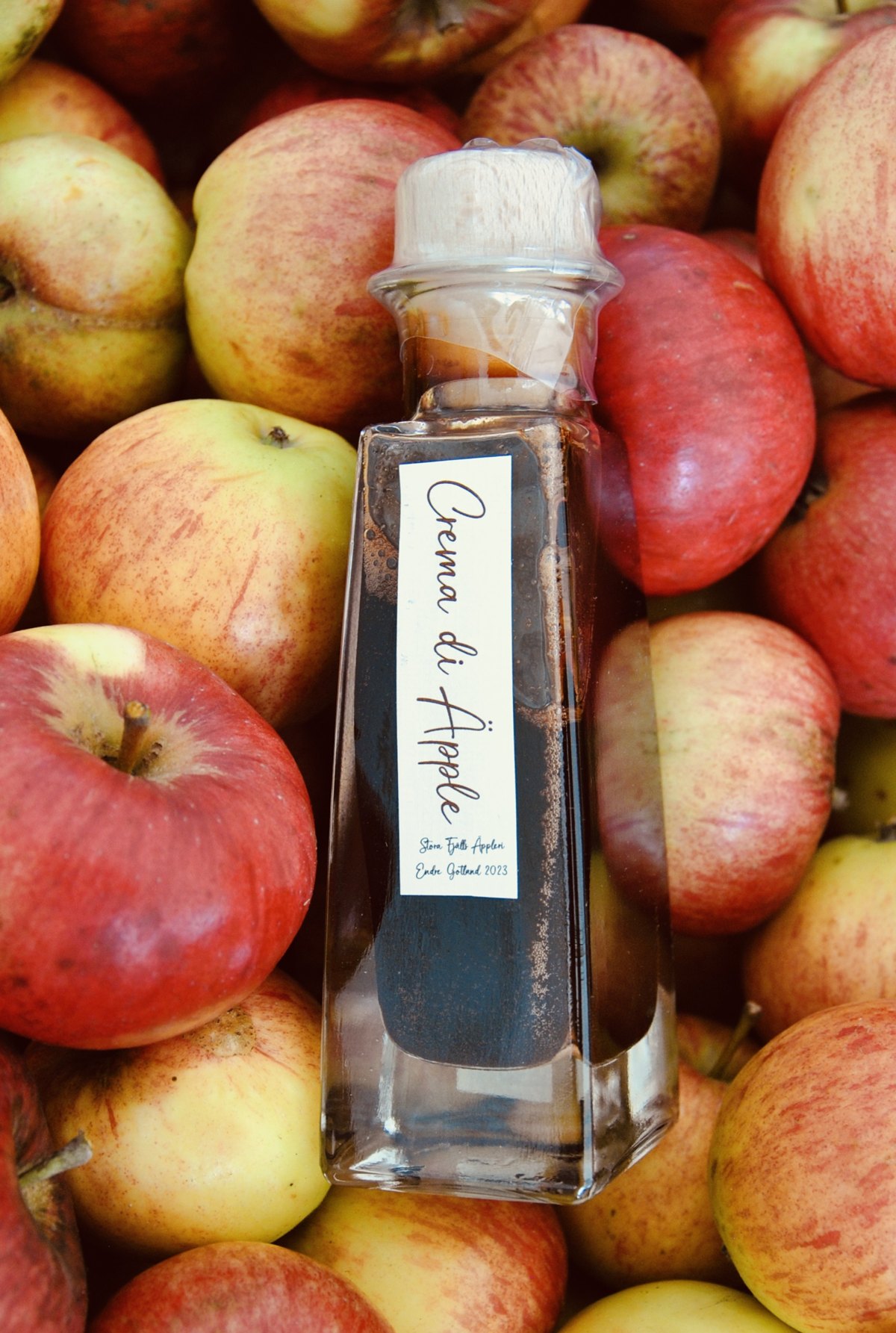
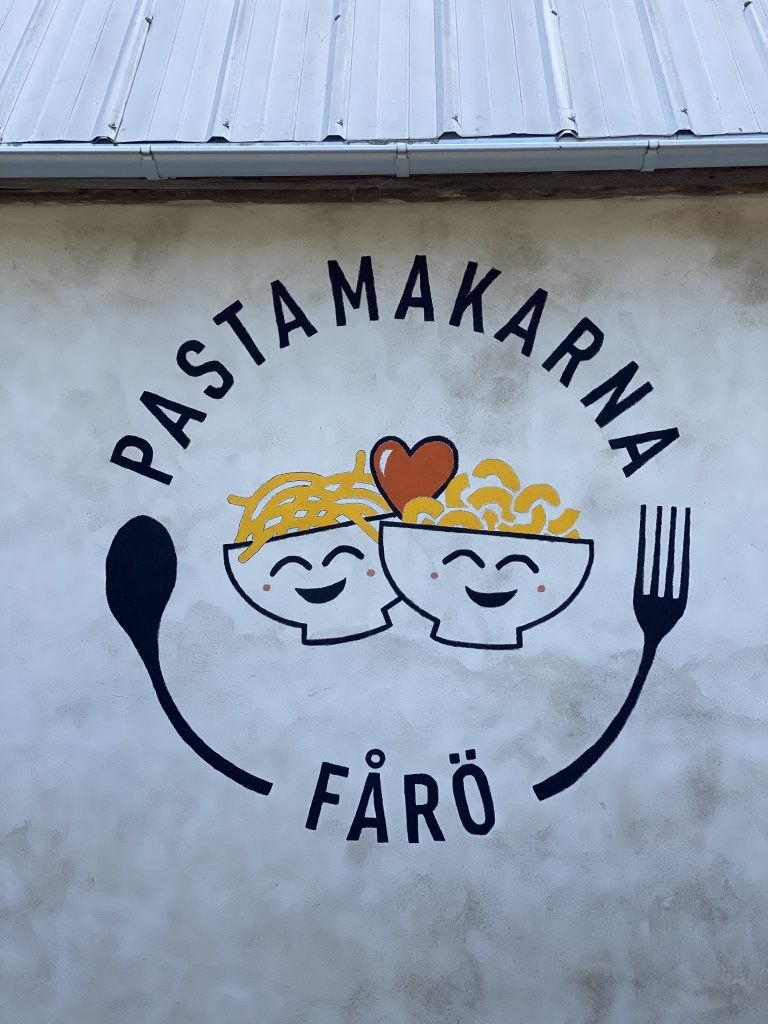
Buters Eko's hand-drawn vegetables say farm shop and pick-your-own in a second. Stora fjälls äppleri sells its crema di äpple in a small bottle with a hand-lettered label – small scale you can feel, not hide. And Pastamakarna on Fårö painted their logo straight onto the wall: an identity that works just as well on a pasta bag as on a barn wall. None of them has a big-company budget; all of them have chosen who they are and stuck to it. More examples appear throughout this section, all from food and beverage producers here on Gotland.
Five steps
You can see the steps right here. First you lay the foundation – why you exist, what makes you special and who you exist for. Step two gathers it in a brand brief – a document you own and use, and the most important input if you later bring in help. With the brief as your compass, step three is about daring to stand out and choosing your distinctive assets, and step four takes them to the packaging – where they pay off on the shelf, and where the law makes demands. Step five shows how to bring in a professional without it getting expensive or wrong.
You can get far entirely on your own – steps 1–4 only require honesty and a pen. Step 5 is for when you want to step it up.
The principles behind it
A brand for a small producer can't be an act – it cracks the first time a customer visits the farm. It should be true (built on what you actually do), clear (one thing people remember beats ten things people forget) and persistent (the same feeling year after year – just when you start tiring of your own message, the market has only begun to notice it).
Start with step 1. Fifteen minutes and three questions is enough to get going.