
A contract on the fridge is a good start – but the habits around it decide whether it still holds in a year. This step is short, because the point is simple: a few small routines, kept for a long time.
The feedback habit
Strong teams make feedback maintenance, not drama. Two simple tools that go a long way:
- Keep – stop – start. "What should I keep doing that works, stop doing that gets in the way, and start doing that would help us more?" Ask each other once a month.
- Appreciation first. Start with "I appreciated it when you …" before the request. It keeps the guard down and the ears open.
Energy follows the season
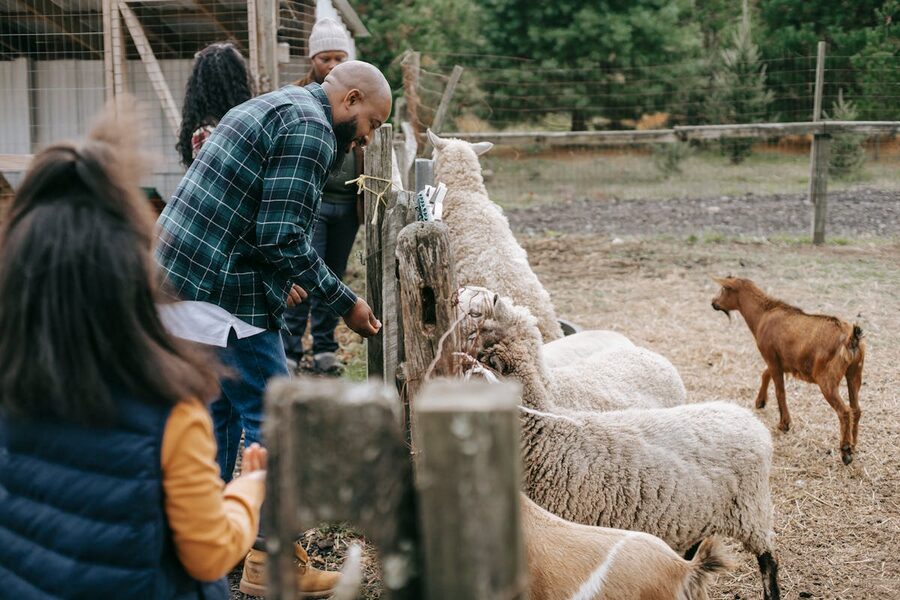
For a food producer, burnout risk isn't spread evenly across the year – it peaks in and after high season. Treat recovery as part of the production plan: schedule rest after harvest as concretely as you plan the harvest itself. Watch for each other's warning signs from step 1 – and speak up kindly, with the reset word if needed.
The 90-day check
The quarterly meeting you booked in the contract is the module's most important habit. Three questions are enough: What in the contract is working? What have we stopped following – and should it change or resume? Which ONE behaviour would most improve how we work together? Adjust the contract and write the date for the next check. Version 1.1, 1.2 …
When to bring in help
Most of it you can handle yourselves with the contract and the routines. But bring in help when the same conflict keeps coming back despite the reset routine, when someone shows real signs of burnout (then occupational health care or your health centre is the right path), or when you face big shifts – generational change, a new co-owner, someone leaving.
- A team or leadership coach: if you want to go deeper into drives and conflict patterns, a certified coach can run a deeper assessment (e.g. SDI) and lead a workshop where your team map is built. The right moment is exactly when the contract has started to settle – ask your network or business support organisation for someone with family-business experience.
- The legal layer: a partnership/shareholder agreement with a lawyer, using your what-if answers as input. For farms: generational-transfer advice.
- A mediator: in real deadlocks, a neutral third person is cheaper than a year of friction.
When you're done: habits that hold
What you should have in place: the feedback habit (monthly), recovery scheduled after the season peaks, the 90-day check in the calendar – and an honest sense of when it's time to bring in help.
Do this next
Set a reminder for the first 90-day check now. And when the team feels steady: move on to Brand and principles or Marketing – both build on having each other's backs.